
Oil prices surged in dramatic fashion on Monday as the commodity breached the $100-per-barrel level for the first time since 2022.
The escalation in geopolitical tensions in the Middle East over the weekend caused oil prices to spike more than 26% on Monday.
However, prices pared some of the gains as reports claimed the Group of Seven countries may release oil from the Strategic Petroleum Reserves (SPR).
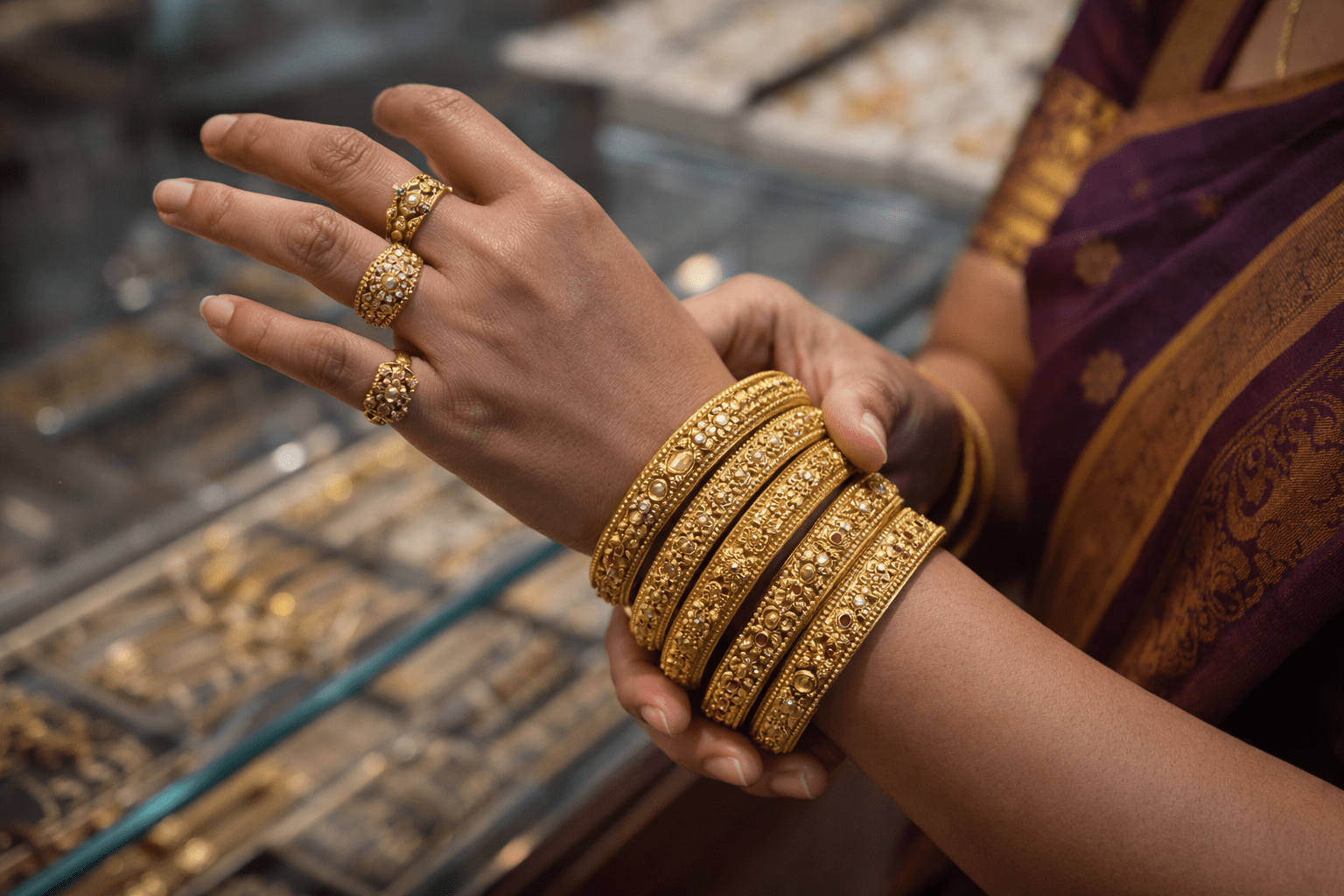
Meanwhile, gold prices fell sharply over 1% as the dollar strengthened against a basket of major currencies, limiting demand.
Among base metals, the supply outlook for aluminium from the Middle East has worsened due to escalating hostilities in the region, driving the metal’s price to its highest level in nearly four years.
“Buyers of the metal in the US are rushing to secure alternative cargoes from Asia after at least two major smelters in the Middle East were forced to suspend deliveries,” Neil Welsh, head of metals at Britannia Global Markets, said in an emailed commentary.
The three-month aluminium contract on the London Metal Exchange was at $3,405.50 per ton, down 0.6%.
The contract had hit a high of $3,479.45 per ton earlier in the day.
Oil above $100
On Monday, oil prices soared to over $119 a barrel, a high not seen since mid-2022.
This surge was driven by reduced supplies from major producers and market fears of extended shipping disruptions resulting from the widening US-Israeli conflict with Iran.
Following a volatile session, Brent crude reached an earlier peak of $119.50 a barrel and West Texas Intermediate hit $119.48 a barrel, marking the biggest single-day absolute price jump ever recorded for Brent.
Since the last close before the US and Israel launched attacks on February 28, Brent has surged by up to 66%, and WTI has jumped by as much as 77%.
For perspective, these Monday prices remain below the contracts’ all-time high of around $147 a barrel, which was set in 2008, according to LSEG data extending back to the 1980s.
Roughly one-fifth of the world’s oil and liquefied natural gas, which typically transits the Strait of Hormuz, is currently blocked due to the virtual closure of the strait.
Furthermore, the appointment of Mojtaba Khamenei as Iran’s supreme leader, succeeding his father Ali Khamenei, is contributing to the price increase.
This signals that hardliners remain firmly in control in Tehran one week into its conflict with the US and Israel.
“Brent oil prices could reach $135 per barrel if the current situation persists for four months,” Janiv Shah, vice president, oil markets at Rystad Energy, said in an emailed commentary.
“The forward-looking analysis we’ve done on a two-month basis is also showing prices stay above $110 per barrel, given the current conditions.”
At the time of writing, the WTI price was at $100.82 a barrel, up 11%, while Brent was at $102.74 a barrel, up 10.4%.
Gold falls
On Monday, the price of gold declined by over 1%, largely due to a strengthened dollar.
The metal was also pressured by anticipation of increased interest rates, which stem from inflation worries tied to the Middle East conflict.
Uncertainty surrounding the war is putting pressure on gold prices, fueling concerns about inflation and the prospect of rising interest rates.
However, according to Jim Wyckoff, a senior analyst at Kitco Metals, a protracted conflict is likely to sustain demand for gold as a safe haven, thereby establishing a price floor.
Gold is often viewed as a hedge against inflation. However, its appeal is also enhanced by low interest rates, as it offers no yield itself.
The US dollar strengthened as oil prices approached $120 a barrel.
This surge, driven by fears that a prolonged Middle East conflict could severely interrupt energy supplies and damage global economic growth, led investors to seek the safety of cash.
A stronger dollar, in turn, makes dollar-denominated gold more costly for those holding other currencies.
Upcoming US economic data includes the release of the consumer price index (CPI) for February on Wednesday.
Additionally, the Personal Consumption Expenditures (PCE) index, which is the Federal Reserve’s preferred measure of inflation, is scheduled for release on Friday.
Despite escalating tensions across the Middle East, the expected surge in gold prices, driven by its traditional role as a “flight to safety” asset, has not materialised.
This has surprised many bullish investors who anticipated a greater upward movement.
“But it appears to be supported by persistent safe-haven demand, even if the upside seems to be capped for now, with no help coming from the US dollar as it continues to rally,” said David Morrison, senior market analyst at Trade Nation.
At the time of writing, the COMEX gold contract was at $5,096.84 per ounce, down 1.2%, while silver was at $84.253 per ounce, down 0.1%.
The post Commodity wrap: gold slips over 1% on firm dollar appeared first on Invezz